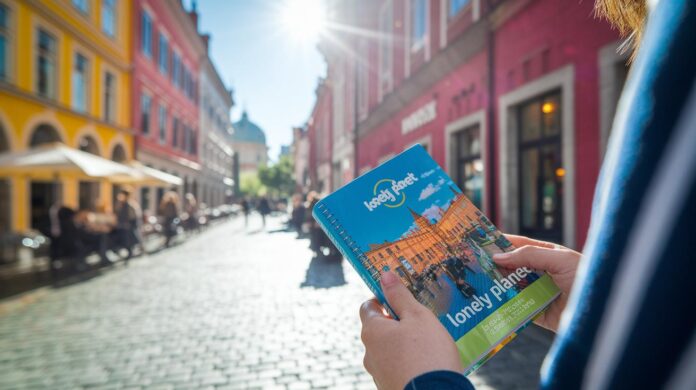

Ever feel a bit overwhelmed when trying to plan your next getaway? Lonely Planet travel guides are like having a trusty friend who’s been everywhere, ready to share insider tips with you. They explain everything, from the best ways to get around (think buses, trains, or that reliable taxi) to finding a cozy place to stay and even a few notes on local customs, so you feel confident as you set off on your adventure.
It’s like swapping travel secrets over coffee. These guides break things down in a friendly, step-by-step way that turns travel stress into a fun, easy-to-follow adventure plan. Keep reading to see how each guide can ignite your wanderlust and help you explore with a big smile.
How Lonely Planet Travel Guides Meet All Your Planning Needs
Lonely Planet travel guides are like that trusty friend who’s been everywhere and knows all the shortcuts. They offer clear, practical advice about every type of destination, from the bustling streets of Hong Kong to the unique and sometimes unexpected corners of North Korea, and even into the more nuanced areas like Israel and Palestine. The guides mix colorful picture-guides with handy highlight maps and include essential details about transport (think buses and trains), lodging, and local customs that help you feel ready for anything.
Imagine flipping through one of these maps and catching a cool fact, like, “Before her first trip, Jane only had a rough idea of her route. Now, she explores confidently like a seasoned nomad.” Such insights tie planning to real-life experiences, making your travel prep feel as smooth as a well-planned stopover.
For first-time explorers, these guides pack in 14 practical tips, from finding cheap flights and planning your meals on a budget to mastering your packing strategy. And they don’t stop at just the basics; you also get detailed advice on choosing top cameras, drones, and even the right backpack for your adventures. With personal stories from a traveler who’s been to over 90 countries, the guides blend solid travel tips with genuine insights gained on the road.
Plus, they go the extra mile by including in-depth sidebars that tackle common travel issues, like handling scams, sorting out insurance, and navigating foreign ATMs (those can be tricky!). With detailed maps, clear photos, thoughtfully planned itineraries, and practical advice drawn from years of travel, Lonely Planet guides make planning a trip feel like setting out on a well-charted adventure with a friend by your side.
Formats and Editions of Lonely Planet Travel Guides
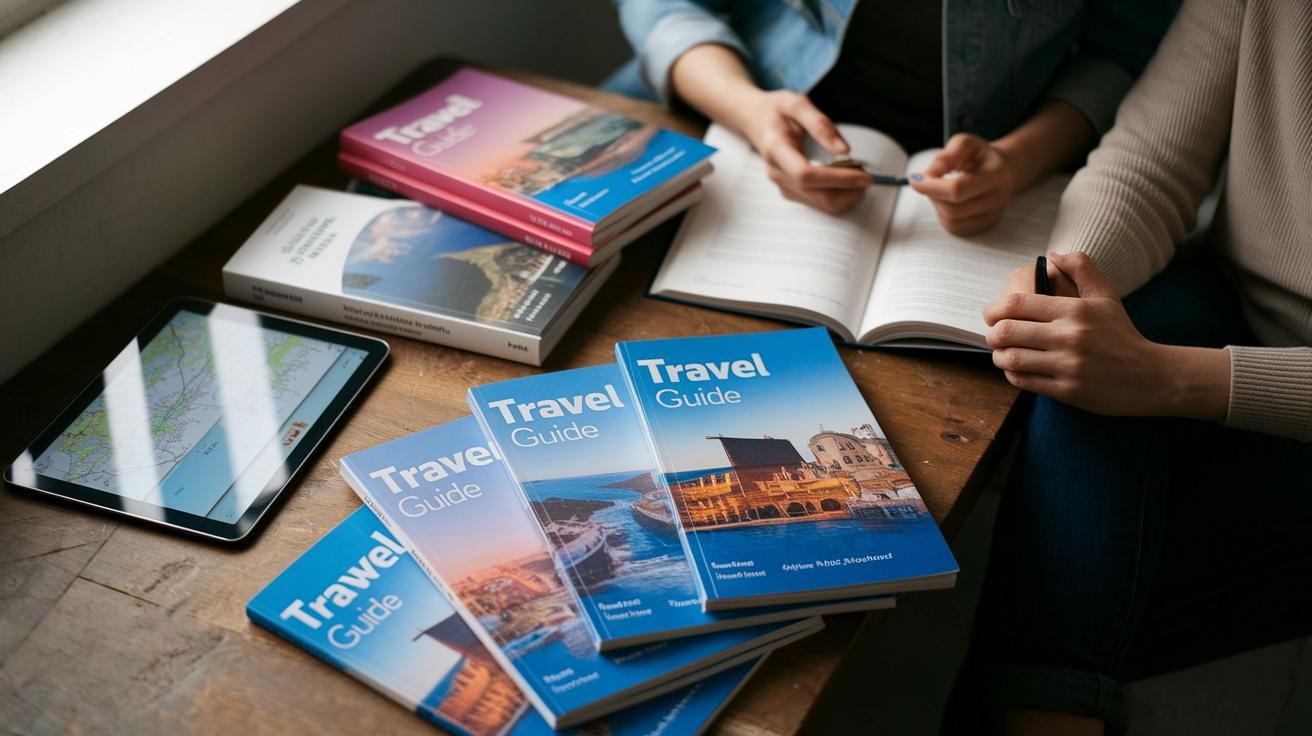
Remember those days when you had to haul around four or five massive guidebooks for every trip? Those days are over. Lonely Planet now brings you a mix of classic print and smart digital options that spark curiosity for every journey. Each edition offers helpful tips on getting around, where to sleep, local customs, and even safety advice, everything you need whether you’re planning a short layover (a break between connecting flights) or a grand adventure.
- Print edition with a friendly, easy-to-follow layout
- Ebook version that fits perfectly on your mobile device for on-the-go planning
- Downloadable PDF compendium that’s great for offline trip details
- Interactive digital app loaded with handy maps and vibrant photos
- Annual updates that keep transport, lodging, and safety info fresh
- Touring edition featuring seasonal checklists for smooth travel
Each format was created with you in mind. The traditional print guide gives that comforting, tactile feel of well-trusted travel advice, perfect for reading in quiet moments or at home. Meanwhile, the digital editions offer real-time updates and dynamic routes, serving all you modern travelers who love to stay in the loop. No matter your travel style or where you’re headed, Lonely Planet helps you explore confidently and enjoy every moment of the journey.
Tips for Getting the Most Out of Lonely Planet Travel Guides
Lonely Planet travel guides are like a friendly companion who gives you practical advice and insider scoops, making planning your adventure both exciting and stress-free. They guide you through the journey even before you step out the door, using detailed maps, vibrant photos, and easy-to-read descriptions to help shape your route and keep you in the loop on the go.
Start with the Highlights map
Kick off your adventure by checking out the guide's Highlights map. This handy tool marks the "must-see" spots and gives you a quick overview of the best routes. Picture it like this: "Before venturing into the unknown, I planned my route on the Highlights map, ensuring every stop felt just right." This simple first step helps set the scene for a smooth and exciting travel experience.
Browse curated photos
After that, take a moment to flip through the curated photos in the guide. These pictures transform vague ideas into clear, real-life scenes you can almost touch. It’s like seeing sunlit alleyways and busy local markets before you even arrive, sparking ideas about which hidden corners you might want to explore.
Read detailed descriptions
Don’t skip the detailed descriptions for each destination. They fill in the important details like opening hours, local transport options (think buses, trains, or even tuk-tuks), and clever insider tips. For instance, you might read, "I found out that the museum opens late on weekends, so I avoided the crowds and enjoyed a quiet visit." This extra information makes sure you not only know where to go but also how to make the most of your time away.
Pair with digital resources
Lastly, mix the printed guide with digital updates such as apps, online reviews, and local blogs. Many seasoned travelers double-check these resources to catch any last-minute changes or local insights. Combining the trusted guide with real-time tips turns your travel plan into a flexible toolkit, ensuring you’re always ready for whatever adventure comes your way.
Comparing Lonely Planet Travel Guides with Other Top Guidebook Series

After checking out 15 different guidebook series, Lonely Planet comes out on top for travelers who stick to a budget or prefer mid-range adventures. It's like chatting with a friend who gives you friendly, no-nonsense advice along with helpful maps and real-life tips. You get a guidebook that feels like a trusted travel buddy, offering just enough details without getting too fancy.
Rick Steves really shines if you’re planning a trip to Europe. He fills his guides with charming stories and tips for exploring old-world cities, perfect for those strolling through cobbled streets. Meanwhile, Lonely Planet calls out to the free spirits ready to roam not only Europe but many parts of the world, each guide carrying its own unique voice and local touches.
Fodor’s, on the other hand, leans toward upscale recommendations with refined suggestions for a high-end experience. If you’re after luxury, Fodor’s might be your pick. But for those who need practical, budget-friendly advice, whether you’re traveling with family, backpacking, or just exploring, Lonely Planet keeps things accessible and versatile.
Rough Guides knows how to handle rugged trails and hiking spots, making it ideal for outdoor lovers eager to explore beyond paved streets. DK Eyewitness charms with its fun educational sidebars, and National Geographic takes you on a visual journey with deep cultural insights and stunning photos. Lonely Planet neatly blends personal stories with practical, wallet-friendly tips that work for many kinds of trips.
Then there are Bradt and Slow Travel, which cater to travelers looking for unique, off-the-beaten-path experiences and detailed regional guides, especially in places like the UK. Still, Lonely Planet stands out for its flexibility, easily fitting the needs and budgets of a wide range of travelers wherever they decide to go.
Top Lonely Planet Destination Guides for Iconic Locations
Lonely Planet guides light up your travel planning with insights that feel just like a chat with a seasoned friend. Readers and travel experts love these guides for their easy-to-follow maps, smart seasonal tips (like advice for chilly layovers or sun-dappled escapes), and that down-to-earth local vibe. Whether you’re setting off on a bustling city adventure or hunting for a hidden gem off the main track, each guide serves up a blend of practical advice and local charm that makes a destination truly pop.
Every edition is carefully updated so you get a real sense of what lies ahead. Besides highlighting famous cultural spots, these guides also offer handy tips on navigating local transport and uncovering memorable dining spots that locals adore.
Here are four picks that have won over many fellow wanderers:
- Paris & Île-de-France (2023 ed.): Savor a route packed with in-depth maps and insider tips on iconic monuments and secret cafés. Check it out with this Paris travel guide
- Iceland Guide (2022/2024): Ideal for nature lovers, it features seasonal advice, practical routes, and picturesque spots just waiting for the perfect snapshot.
- Nepal Handbook 9th ed. (2023): Dive into detailed itineraries that immerse you in local customs, ancient monasteries, and lively markets.
- New Zealand 12th ed. (2021): Enjoy insider insights, scenic routes, and useful hints whether you're trekking rugged trails or exploring vibrant cities. See more with this New Zealand travel guide
Planning a Budget-Friendly Trip with Lonely Planet Travel Guides

Lonely Planet travel guides are like chatting with a seasoned traveler who shares insider tips. They offer simple, practical ways to explore on just $75 a day without missing out on the best experiences. Their budget sections break down easy tricks, like choosing low-cost flights, buses, and trains, and show you how to find affordable lodging.
These guides also highlight where to enjoy delicious street food and local eateries without splurging. Picture strolling down a busy street, discovering a charming spot to grab a hearty meal that won’t break the bank. One tip even mentions, "I found the best local eats by stepping off the beaten path," saving both time and money.
You'll also find helpful packing checklists that remind you to bring only the essentials, avoiding those pesky extra baggage fees. They offer advice on travel insurance and ATM use too, so you can steer clear of unexpected costs as you plan your adventure.
On top of all that, there are handy sidebars packed with money-saving ideas like off-season deals and multi-attraction passes. With these straightforward tips and smart financial advice, Lonely Planet guides help you plan a memorable trip without stretching your budget.
Final Words
In the action, the blog has shown how Lonely Planet travel guides offer clear maps, detailed descriptions, and practical tips for smart planning and cost-saving moves. Insights span different formats, from printed books to digital apps, allowing you to pinpoint recommended destinations and budget hacks. The guides serve as reliable tools that bring research and on-field advice together, making travel planning less stressful. Embrace the simplicity of these trusted resources and get ready to enjoy smarter, affordable travel adventures with lonely planet travel guides.
FAQ
What insights do Lonely Planet travel guides Reddit discussions provide?
The Lonely Planet travel guides Reddit discussions offer firsthand experiences and tips from fellow travelers, giving you fresh opinions on guide updates, usability, and real-time advice for planning your next trip.
What do the Lonely Planet travel guides 2022 editions offer?
The Lonely Planet travel guides 2022 editions deliver current local insights, updated maps, and practical advice, ensuring travelers have the latest recommendations to plan informed trips to various destinations.
What do Lonely Planet travel guides reviews reveal?
Lonely Planet travel guides reviews highlight practical tips, detailed maps, engaging photos, and reliable travel advice, with many readers appreciating their clear formatting and useful planning information.
How do Lonely Planet travel guides PDF versions work?
The Lonely Planet travel guides PDF versions provide digital content with interactive maps, embedded photographs, and updated travel details, offering a convenient and mobile option for quick reference during trips.
Who owns Lonely Planet travel guides?
Lonely Planet travel guides are owned by an international media company that supports independent traveler content, ensuring ongoing updates and a focus on genuine, practical advice for globetrotters.
Which websites are considered the best travel guide websites?
Popular travel guide websites, including Lonely Planet, Fodor’s, and Rick Steves, are valued for combining detailed itineraries with practical tips, allowing travelers to compare options and choose resources that match their own style.
What defines the best travel guides?
The best travel guides offer well-researched itineraries, detailed maps, practical advice, and appealing imagery; Lonely Planet guides, for example, combine local expertise with real traveler insights for an easy planning experience.
What features does the Guides by Lonely Planet app offer?
The Guides by Lonely Planet app presents interactive maps, frequent updates, and user-friendly navigation that allow you to explore destinations, access real-time recommendations, and plan your trip digitally.
How do Lonely Planet and Fodor’s compare and who makes the best travel guides?
Comparisons show Lonely Planet is celebrated for its comprehensive insights and practical planning advice while Fodor’s caters to upscale travelers. Which guide suits you best depends on your travel style and budget.
Does Lonely Planet still exist?
Yes, Lonely Planet travel guides still exist, continuously evolving to meet traveler needs with both printed editions and digital formats that provide trusted updates and practical insights.
Is Lonely Planet a good travel resource?
Lonely Planet travel guides are considered a reliable travel resource, thanks to their detailed maps, practical tips, and local insights that have helped countless independent travelers plan successful trips.